Signed in as:
filler@godaddy.com
The pelvis houses the uterus, bladder, vaginal canal, rectum, and pelvic floor muscles, along with numerous arteries, veins, ligaments, and fascia. The pelvic floor muscles function like a supportive hammock, aiding to provide structure for the pelvic and abdominal organs. The pelvic floor muscles contract to control bladder and bowel movements and are essential components of your core. Your core acts like a cylinder made up of the pelvic floor muscles (bottom base), respiratory diaphragm (top), abdominal muscles (front and sides), and back muscles (back and sides).
During pregnancy, the pelvic floor muscles endure increased stress as they support the growing baby. Simultaneously, the abdominal muscles stretch, the diaphragm's movement is restricted, and the back muscles work harder to maintain posture. Throughout childbirth, the pelvic floor muscles undergo significant strain. In vaginal delivery, the pelvic floor muscles stretch to allow the baby’s passage, often leading to tears. In cesarean sections, six layers of the abdominal wall and the uterus are carefully opened to retrieve the baby, and then all these layers are closed with precision stitching.
The demands of pregnancy and childbirth can weaken the core muscles, resulting in challenges such as low back pain, hip pain, and difficulty in everyday movements like lifting and carrying your baby.
Our personalized pelvic physical therapy sessions are designed to help you regain strength and functionality. Here's what we offer:
At our clinic, we are dedicated to providing you with the tools and support needed for a successful recovery, helping you feel your best as you navigate the joys and challenges of motherhood.
Have questions about pelvic physical therapy? Check out our FAQs page to get answers to some of the most commonly asked questions.
Ready to schedule an appointment or have a question for our team? Contact us today and we'll be happy to assist you!

Pelvic physical therapists can help you uncover the ways in which your surgery has contributed or continues to contribute to your pain or discomfort.
We are thoroughly trained in assessing the structures of the pelvis both internally and externally. In this way we identify areas that may be tight, guarding, or plain not moving well. We also check your general mobility and strength to then give you a comprehensive treatment program.
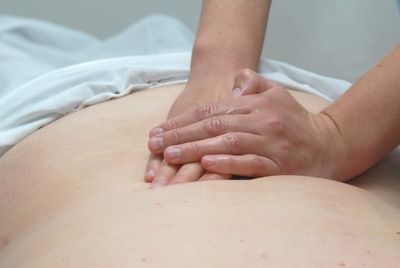
At Vida Physical Therapy, we use Astym tools to help improve the look and feel of your scar. Astym in an instrument assisted tissue mobilization treatment approach that helps post surgical scarring and fibrosis. These soft tissue mobilization tools help us identify areas that need more attention via tool gliding, stretching, lengthening or strengthening.
Your body goes through big changes following a caesarean and these changes can cause not only pain and discomfort but restricted movement of your body.
Range of motion (how far a joint can move) is often limited due to scar tissue, adhesions or pain.
We will go over stretches and exercises to help improve this range, get you stronger and improve the overall feel of your body.
There are products available to help decrease pain and improve the feel of your scar. These include:
After your surgery, you may be wondering: "when is it safe for me to start working on my scar?".
The answer is: you can start right away! Breathing activities after you have your baby are important to not only introduce oxygen to the site, but to help with the expansion of your ribs that will help with pain and anxiety.
Pelvic Physical Therapy will guide you through the timeline of when is best to start certain exercises, activities and scar tissue massage after your surgery so you safely recover.
Make your physical therapy appointment today and start feeling better!